Photo by
"You Gotta Be Different In This Thing, My Dear, Then No One Can Stop You..."
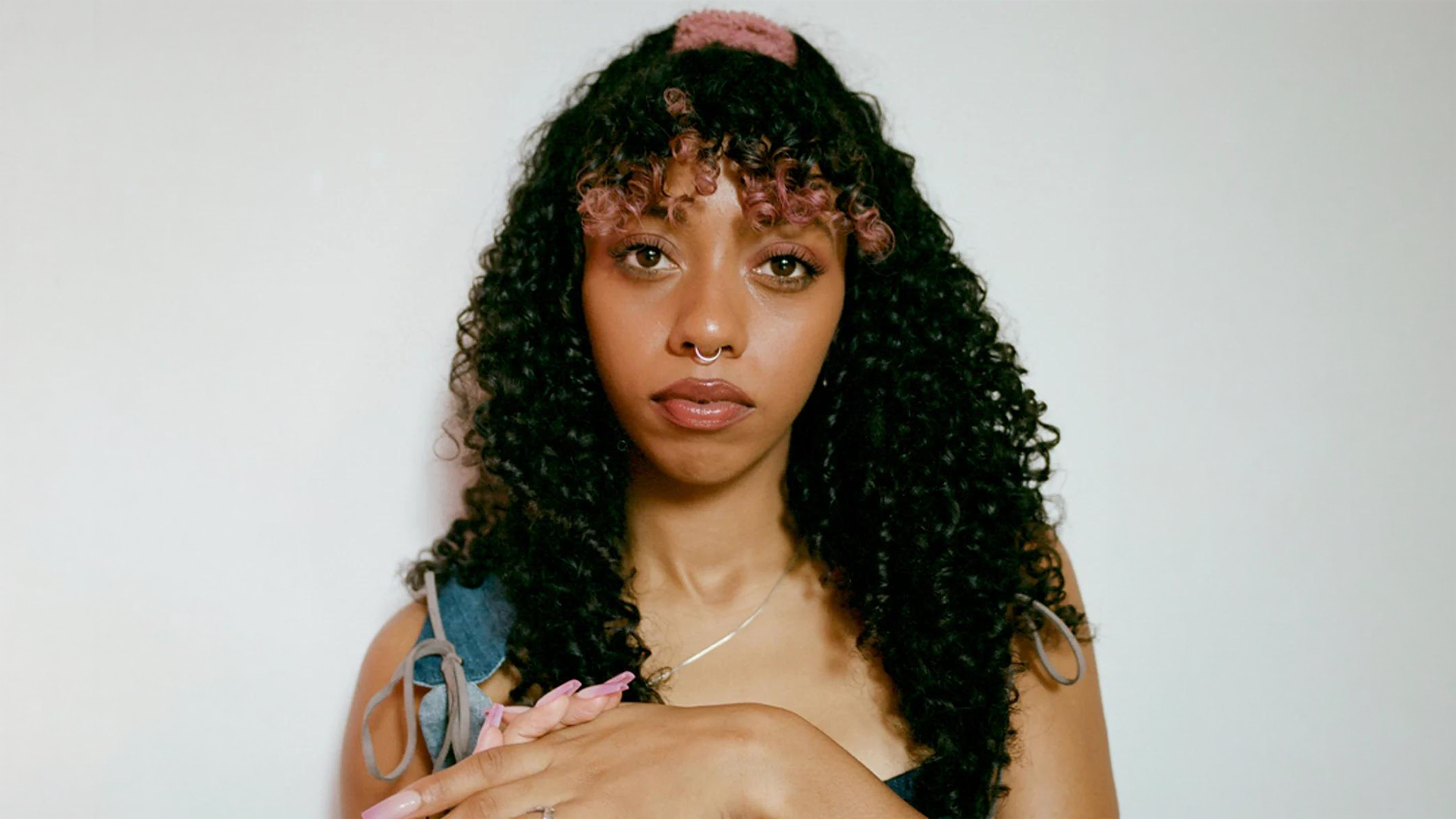
Jungle was born in the early 90s out of Black British sound system culture, chewed up by pirate radio and spat back out faster than anyone thought a genre could move. It burned bright, got pushed to the margins, and spent the best part of two decades being treated as a footnote in dance music's history rather than a foundation of it. Then a twenty-something from Bradford picked the Amen break back up, wrote a pop chorus over the top of it, and the whole thing came roaring back into the mainstream. That's Nia Archives in one sentence, though she deserves a lot more than one.
Born Dehaney Nia Lishahn Hunt, she moved from Bradford to Leeds at seven, and out of the family home at sixteen, eventually landing in Manchester with nothing but a student loan and an ear tuned to reggae, hip-hop, disco and jungle records she'd absorbed as a kid without ever knowing what half of them were called. Her grandmother had run a pirate radio station; soundsystem culture wasn't an aesthetic she borrowed later in life, it was already in the blood. She has been consistently guarded about the details of her family life, citing estrangement, but what she will say is enough to understand the shape of it: a young Black woman from the North, largely self-taught, building a career out of a genre most of the industry had left for dead.
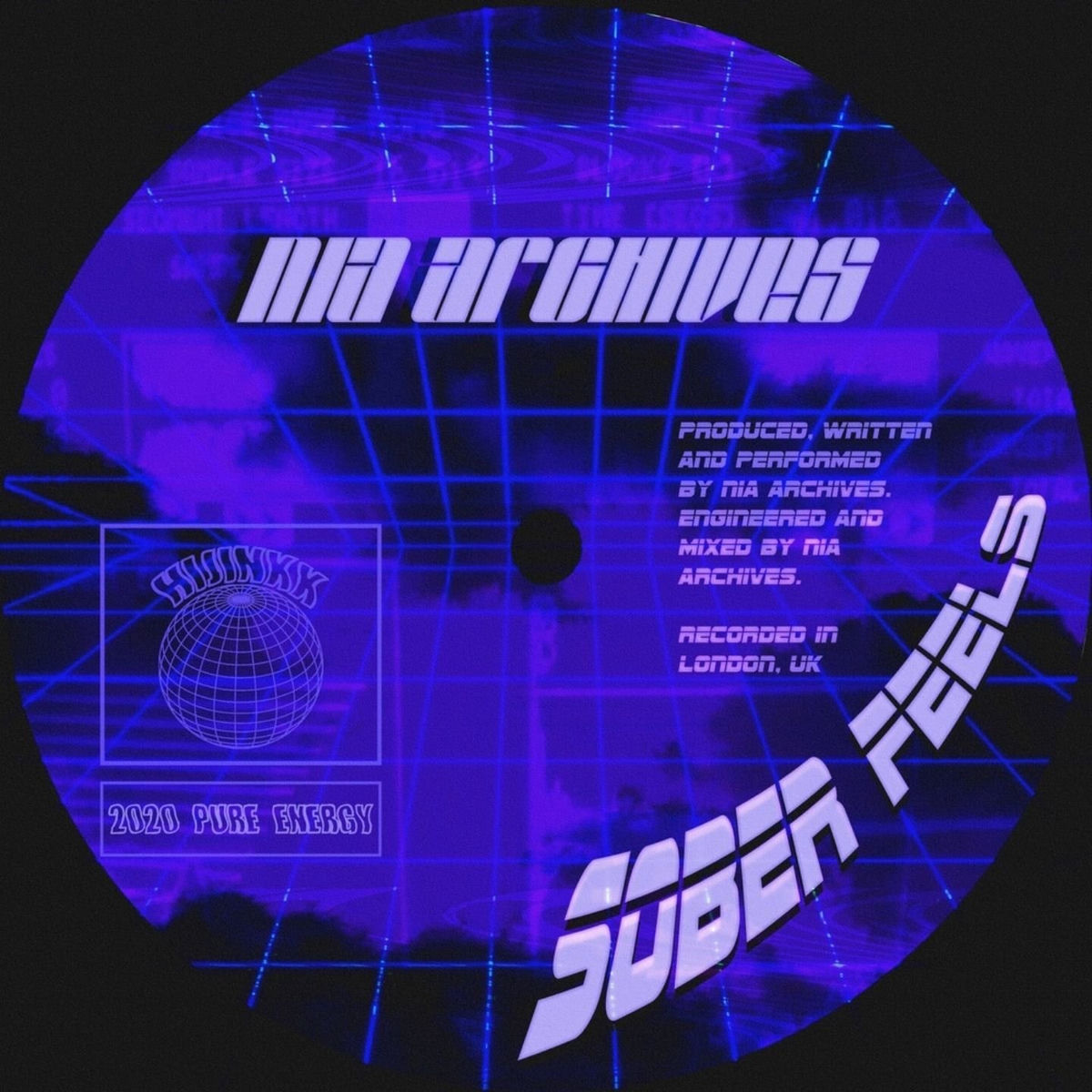
At sixteen, in Manchester, she found the city's underground rave scene and started making hip-hop instrumentals before the jungle in her childhood record collection worked its way back into her own production. She self-released her first single, "Sober Feels," in 2020, and followed it with the EPs Headz Gone West and Forbidden Feelingz on her own HIJINXX label, refining a sound she calls "future classic" — jungle's breakbeats and bass pressure fused with the melodic instincts of neo-soul and Britpop. By 2022 she'd become the first electronic artist to win BBC Music Introducing's Artist of the Year and picked up Best Electronic/Dance Act at the MOBOs, awards that read less like a coincidence and more like an industry catching up to what the underground already knew.
"Whether discussing love, mental health, or her difficult family relations, Nia has been able to evoke a personal nature in the music."
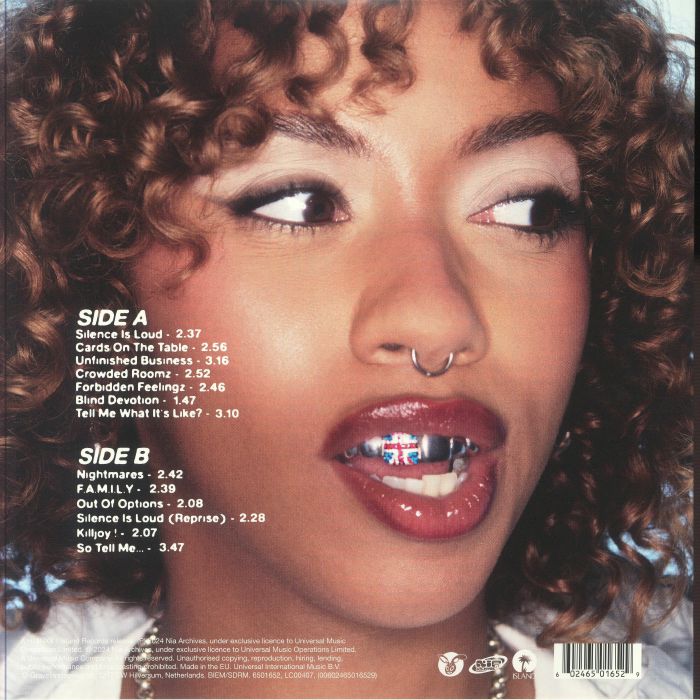
Her third EP, Sunrise Bang Ur Head Against tha Wall, brought her to Island in 2023 and topped the UK dance chart, but it was 2024's Silence Is Loud that turned her into a genuine crossover figure. It's a strange, brave album for the genre — thirteen tracks that use jungle's most chaotic drum patterns as a vessel for songs about isolation, self-doubt, and leaving a family behind to build something of her own, closing on "F.A.M.I.LY," as direct a title as she's ever given a piece of music. She's spoken about researching the Beatles, Amy Winehouse, Radiohead and Kings of Leon while writing it, wanting the songwriting to hold as much weight as the breaks. It debuted at number 16 on the UK Albums Chart, earned her a Rising Star nomination at the BRITs, and made her one of the few voices in the genre's history to put real vulnerability on record without softening the tempo to do it.
Along the way she's built the kind of mentorship story the scene rarely gets to tell out loud: she sampled Goldie's voice on the album, a grandfatherly side about staying true to yourself in an industry built to grind that out of you, and has talked openly about him becoming a genuine friend and guide. It's a lineage moment — one of jungle's most mercurial originators handing something down to the artist most responsible for carrying it into a new generation's ears, alongside the Black British women whose contributions to the genre were written out of its early mythology and whom Nia has repeatedly made a point of naming.
That advocacy work is arguably as important as the music itself. Nia has been vocal about the whitewashing of jungle and drum and bass's history and about pushing for real diversity within a scene that originated in Black Britain but hasn't always reflected that in who gets booked, signed, or credited. She helped will a MOBO category into renewed relevance alongside the Club BEMA collective, using her own platform to widen the door rather than just walk through it. The success carried her well beyond the UK circuit that raised her. She's played Coachella, toured Japan and Australia, opened for Beyoncé, and headlined rooms that would once have been unthinkable for an artist working almost entirely in breakbeats — proof that jungle's appeal was never as geographically or culturally narrow as the industry assumed.
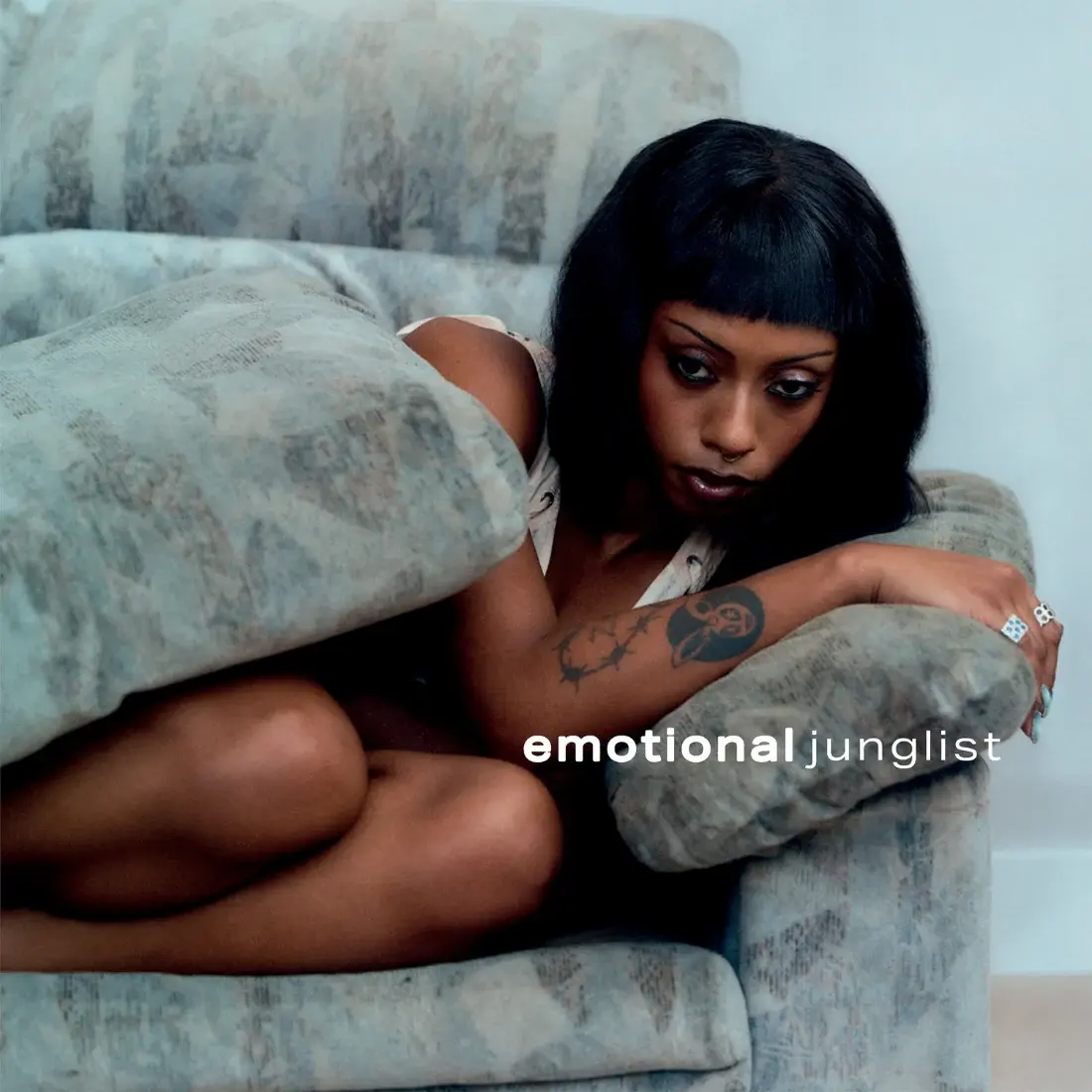
2026 brought Emotional Junglist, her sophomore album and the title of her accompanying UK tour — as neat a summary of her whole project as anything. It leans further into the alt-rock and pop textures she'd been circling, stacked with features from the likes of Jorja Smith and Sampha, proof that the crossover was never a phase but a widening of the lane. It also earned her a Mercury Prize nomination, a marker of how far the journey from self-releasing out of a Manchester bedroom has come. Since April 2025 she's also run Up Ya Archives, both a label imprint and a weekly NTS Radio show, a space to platform the artists coming up behind her the way nobody quite did for her.
Nia Archives didn't just revive a genre. She dragged its emotional undercurrent to the surface, insisted on naming the women and the Blackness at its core, and did all of it without ever slowing the breaks down to make anyone more comfortable. There was an easier version of this career available to her — one where the breakbeats stayed nostalgia-friendly and the harder conversations about who gets credited, booked and remembered stayed out of the interviews. She didn't take it. Jungle was always a form of speaking when you weren't supposed to be heard. She's just turned the volume all the way back up, and made sure everyone in the room knows exactly whose sound it was to begin with.
Written by: @Arriv3r
Edited by: @Arriv3r
Insight.


